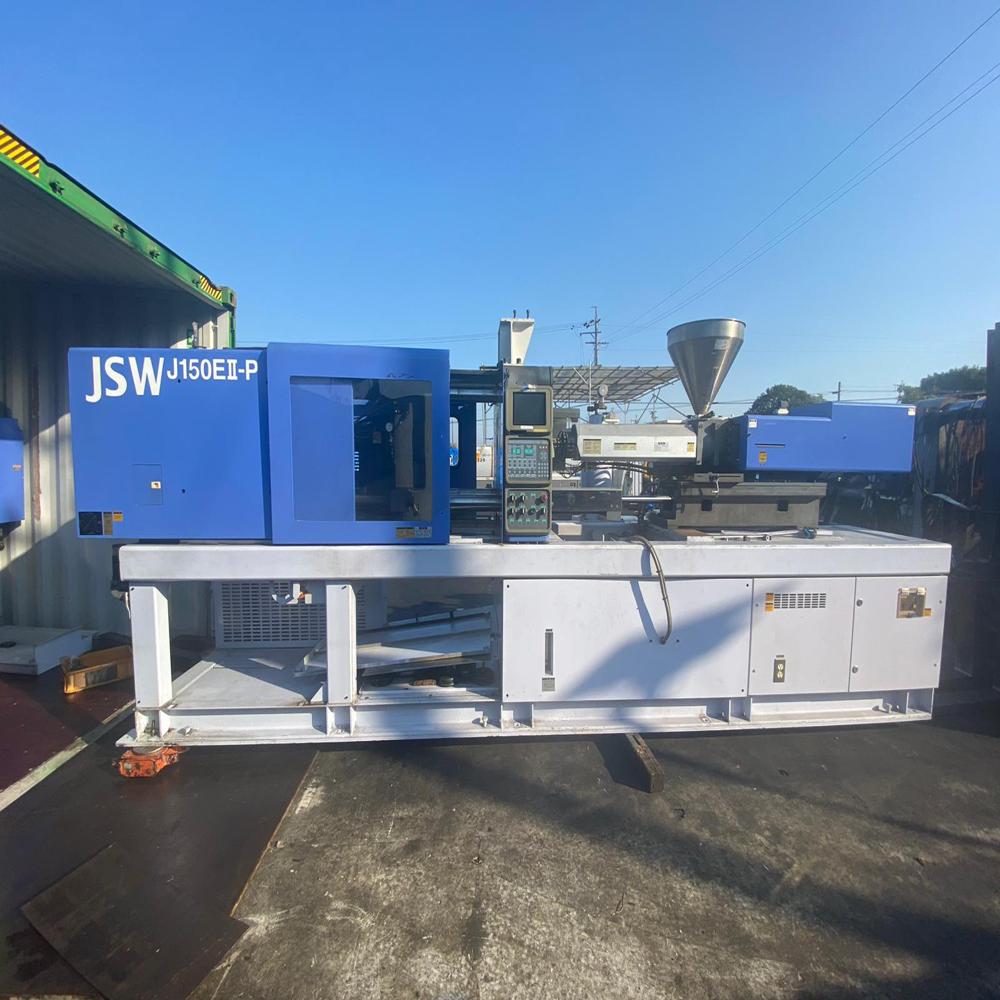
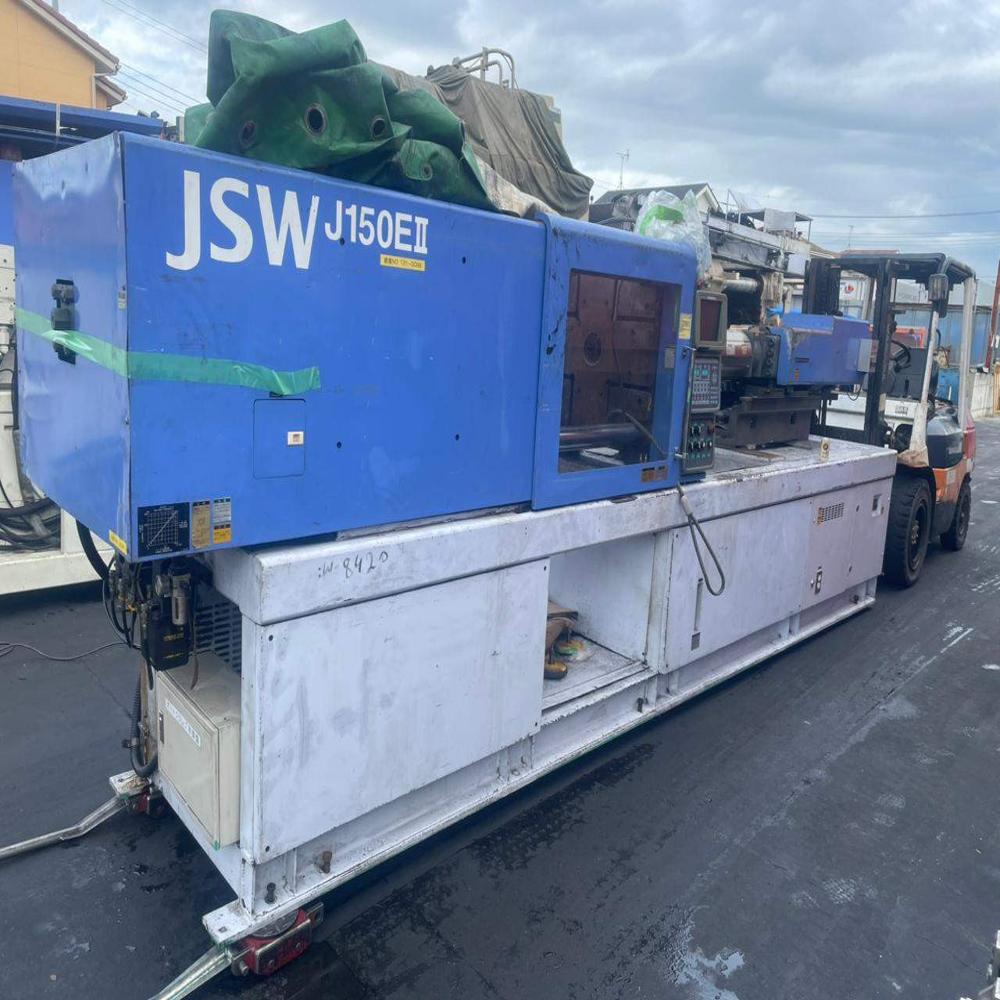
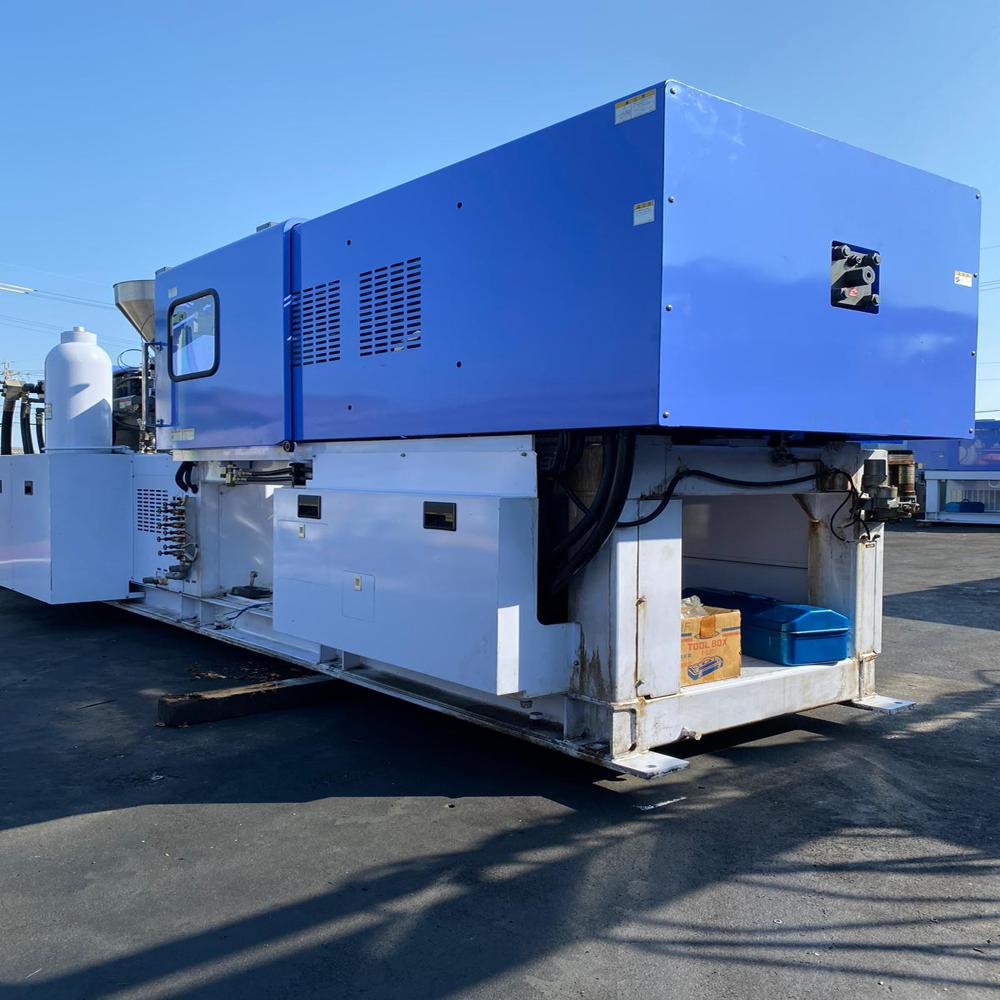
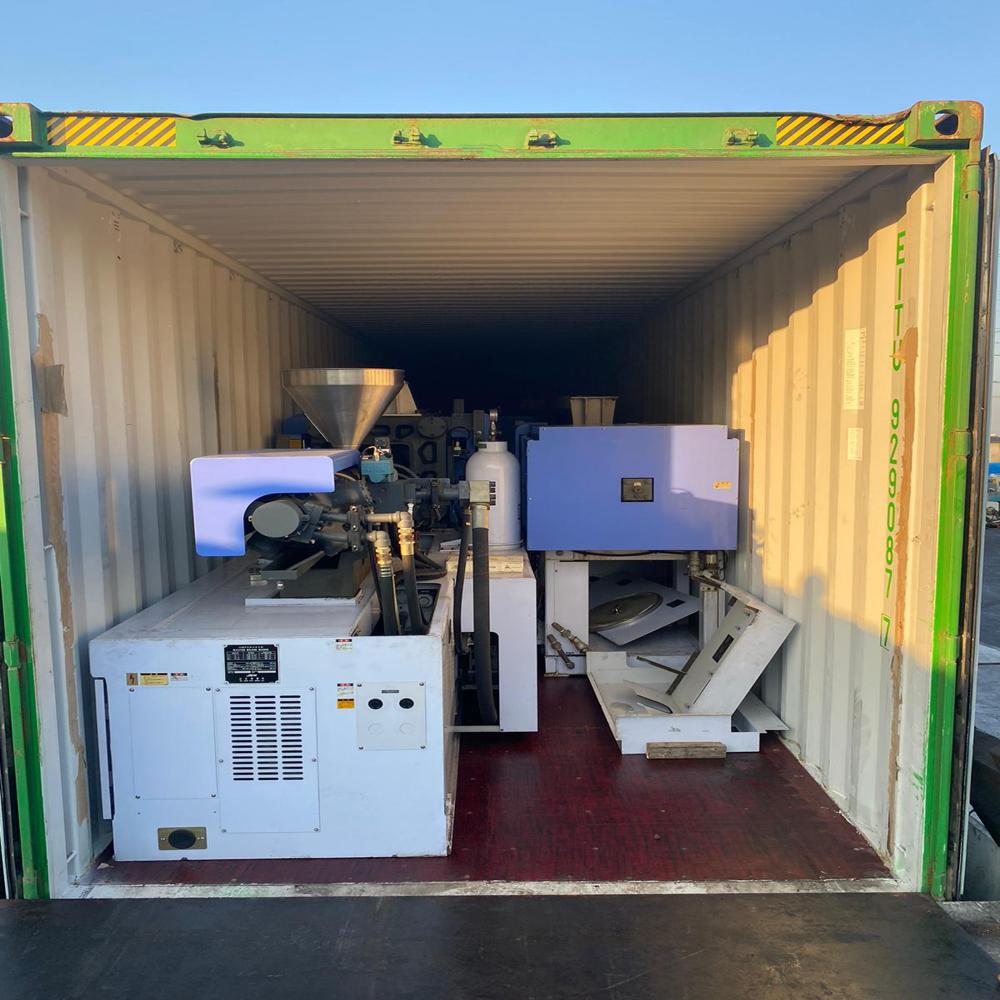
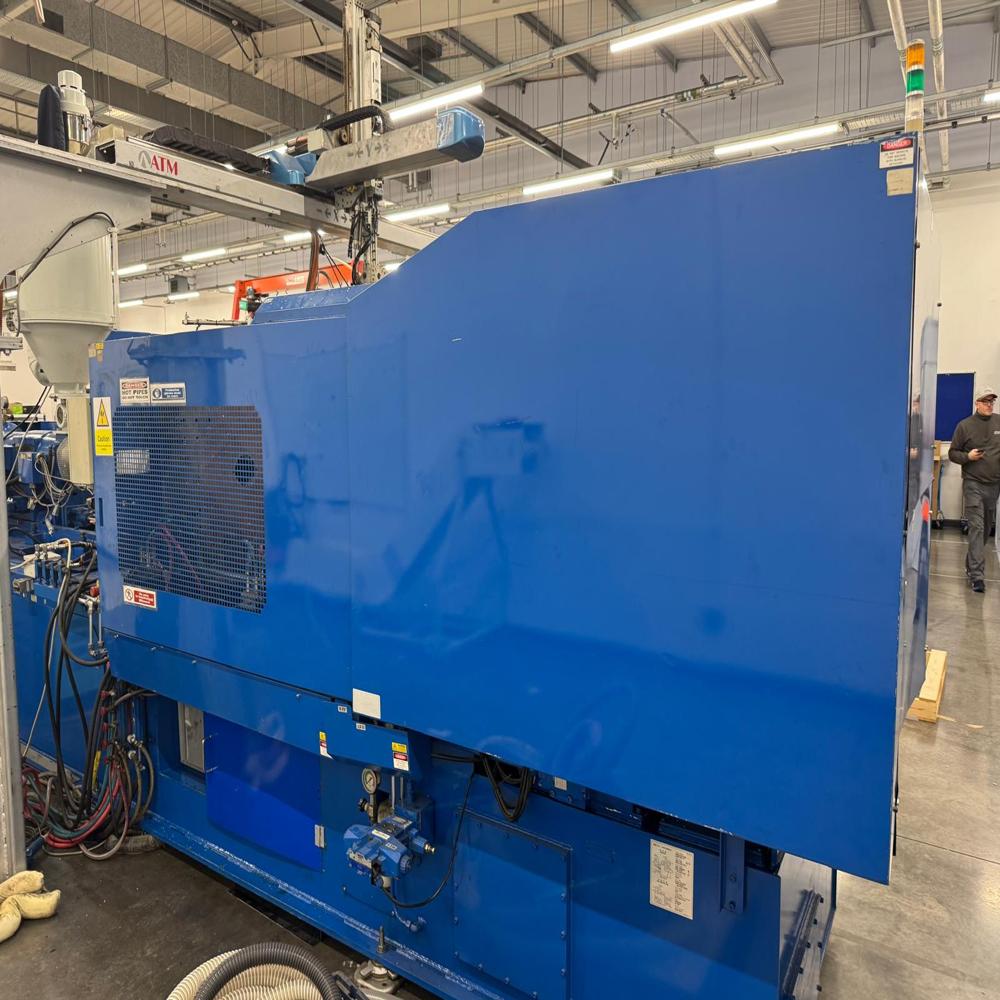
The JSW 150 TON E2 (or JSW J150EII) is an injection molding machine manufactured by Japan Steel Works (JSW). As a 150-ton machine, its primary characteristic is its clamping force of 150 tons, which is crucial for holding the mold securely during the injection process.
Here's a breakdown of its typical characteristics and features, drawing from various sources:
General Description:
-
Type: Plastic Injection Molding Machine. It's designed for manufacturing plastic products by injecting molten plastic into a mold.
-
Clamping Unit: Usually features a double toggle mechanism, known for fast mold speeds, reduced cycle times, and higher repeatability compared to hydraulic machines.
-
Injection Unit: The heart of the machine, responsible for melting and injecting the plastic. Specifications like screw diameter, theoretical injection capacity, injection pressure, and plasticizing capacity vary based on the specific configuration (e.g., screw size) within the 150-ton model range.
-
Automation: Generally, these machines are fully automatic, controlled by a computer PLC (Programmable Logic Controller), often with advanced features for precise control.
-
Machine Structure: Typically horizontal for the J-EII series, although JSW also produces vertical injection molding machines.
-
Material Compatibility: Capable of processing various thermoplastic materials like PP (Polypropylene), ABS (Acrylonitrile Butadiene Styrene), and GP-PS (General Purpose Polystyrene).
Key Specifications (may vary slightly depending on the specific model year and configuration):
-
Clamping Force: 150 Ton (or 1500 kN, approx. 153 tf).
-
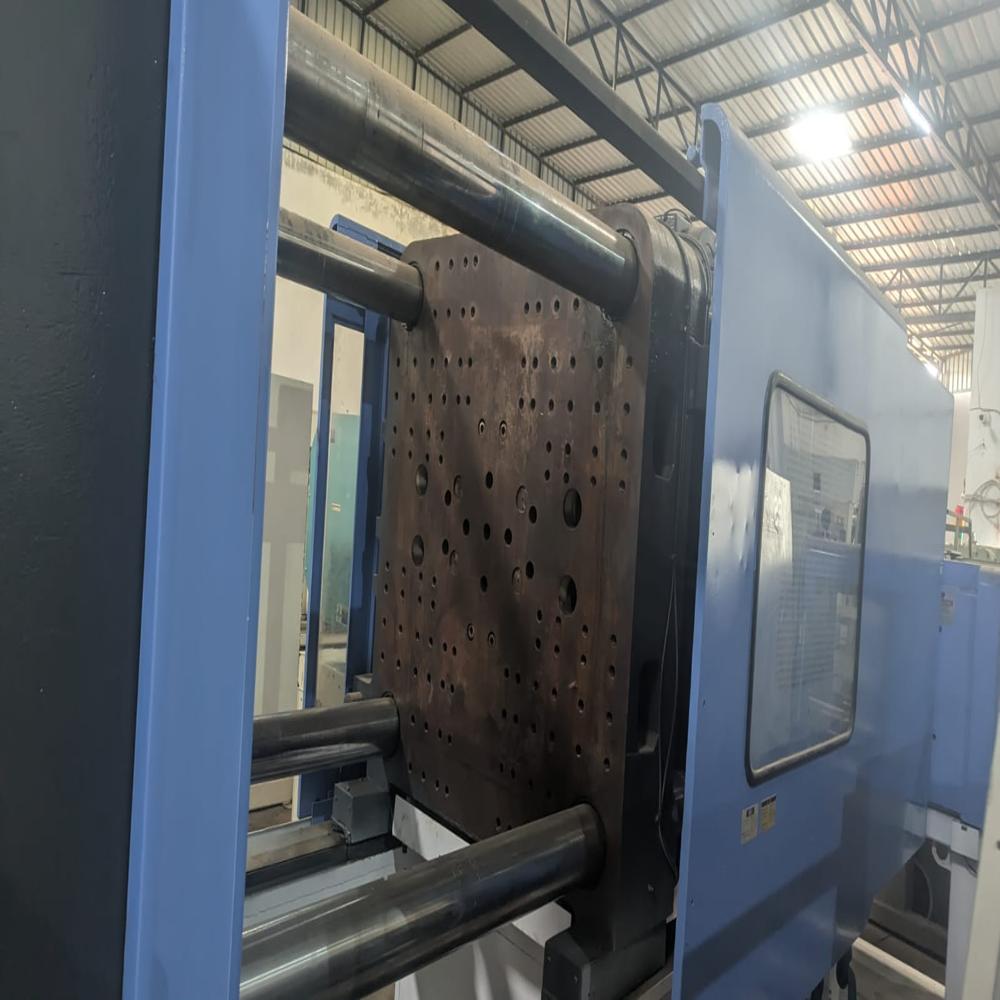
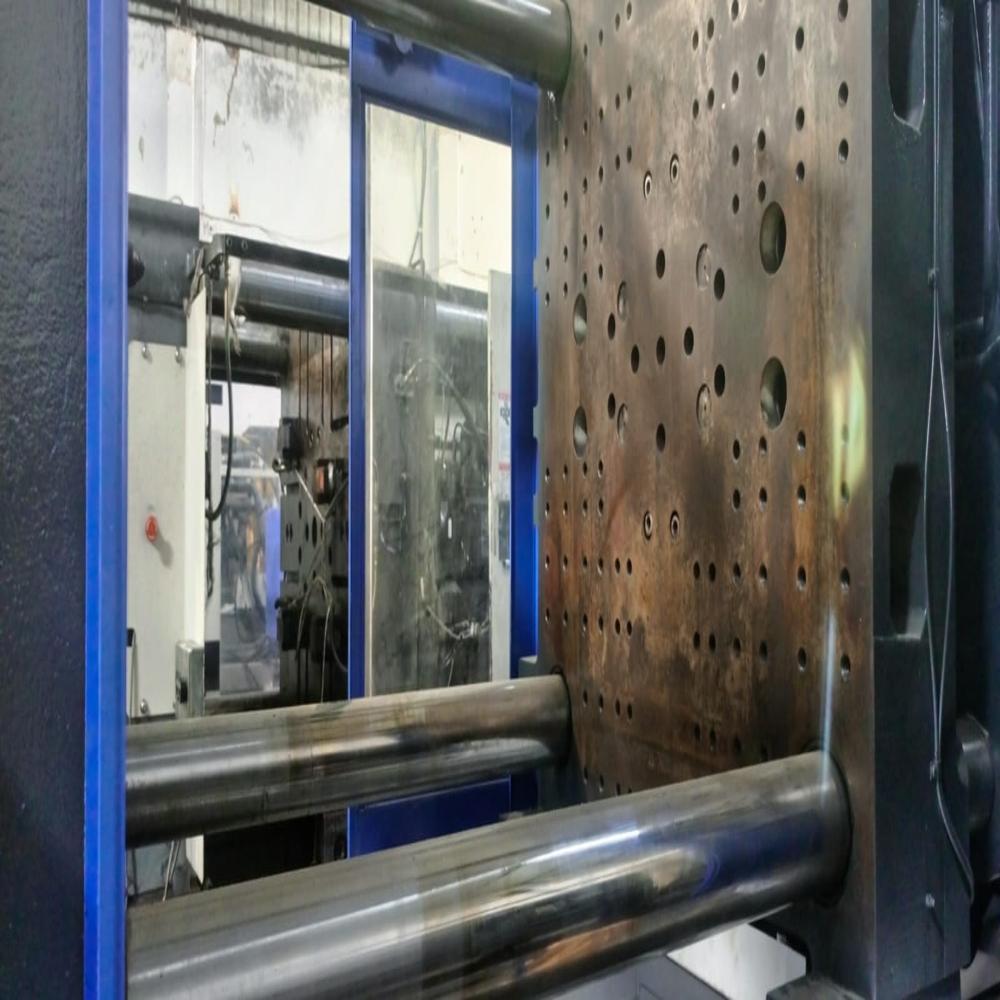
Tie Bar Distance (Space Between Tie Bars): Often around 510 x 510 mm (approximately 20 inches). This dictates the maximum mold size that can fit.
-
Daylight Opening (Max.): Can be up to 890-900 mm, indicating the maximum distance between the platens when the mold is open.
-
Min. Mold Height: Around 400 mm.
-
Max. Mold Height: Can be up to 800-900 mm.
-
Ejector Force/Stroke: Typically around 4.4 ton x 130 mm or similar.
-
Screw Diameter: Various options are usually available, such as 40 mm, 46 mm, or 51 mm, influencing injection capacity.
-
Theoretical Injection Capacity: This depends on the screw diameter, but for a 150-ton machine, it could range from approximately 226 cm to 350 cm (for GP-PS).
-
Injection Pressure (Max): Can be in the range of 1820 - 2410 kg/cm (or 180-240 MPa).
-
Heater Wattage: Typically in the range of 11.9 kW to 16.2 kW.
-
Machine Weight: Approximately 7 to 9 tons.
-
Dimensions (L x W x H): Varies, but generally in the range of 5.47 x 1.54 x 2.08 m to 6.20 x 1.60 x 2.16 m for the J-EII series.
Features and Advantages (common to JSW machines):
-
Precision and Stability: JSW machines are known for highly accurate injection and recovery control, contributing to stable operation and improved product accuracy.
-
Energy Efficiency: Modern JSW machines, especially those with electric servo drives, are designed for significant power consumption reduction.
-
Compact Design: Often feature a design that optimizes floor space.
-
Advanced Control System: Utilizes sophisticated PLCs (like the Devanshi Computer PLC mentioned in some listings for used machines) to manage various molding parameters.
-
Mold Protection: Incorporate features like mold closing torque monitoring to prevent damage to expensive molds.
-
Reliability: JSW has a reputation for producing durable and reliable machinery.
It's important to note that the "E2" in JSW 150 TON E2 likely refers to a specific series or generation of JSW's injection molding machines, such as the J-EII series, indicating advancements in technology and performance over previous models. For the most precise specifications, it's always best to consult the official JSW documentation or a specific machine's data sheet.





 Send Inquiry